How Moles Destroy Lawns, Roots, and Irrigation Systems
People searching for yard mole removal are often trying to prevent moles from damaging lawns, roots, and irrigation systems, with local service providers ready to help.
If you’ve noticed unusual mounds or tunnels appearing in your yard, you might be dealing with moles causing damage to your lawn, roots, and irrigation systems. These small creatures can disrupt the health and appearance of a property’s landscape, leading to uneven ground, damaged plant roots, and compromised irrigation lines. Property owners in the area often seek to understand how moles can impact their outdoor spaces and what steps can be taken to manage the problem effectively. Exploring this topic can provide practical insights into preventing further damage and maintaining a healthy, vibrant yard.
Understanding how moles destroy lawns, roots, and irrigation systems highlights the importance of professional assistance. Local service providers specializing in yard mole removal have the experience and tools to address these issues efficiently, helping property owners protect their investment. Whether through trapping, habitat modification, or other removal methods, these experts can help restore the integrity of your landscape. Keep reading to learn more about the signs of mole activity and how local contractors can help keep your yard safe and healthy.
- Common Projects Services
- Mole excavation - homeowners noticing irregular holes and surface disruptions may need local contractors to carefully remove moles and restore lawn integrity.
- Root and underground tunnel removal - when moles damage plant roots or create extensive tunnel systems, local pros use specialized tools to eliminate the problem.
- Irrigation system repair - signs of disrupted watering patterns or damaged pipes can be addressed by service providers experienced in mole-related underground damage.
- Lawn restoration - after mole activity causes uneven surfaces or bald patches, local contractors can help reseed and repair affected areas.
- Soil aeration and treatment - persistent mole activity may require soil treatment to prevent future damage and maintain healthy lawn conditions.
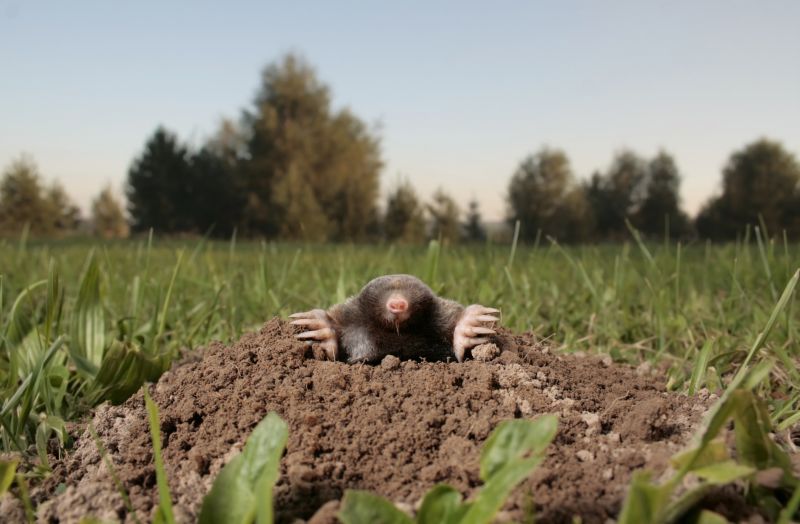
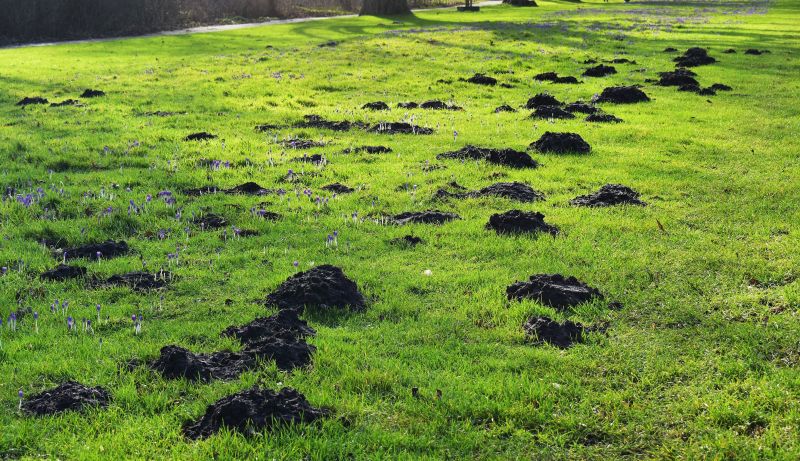
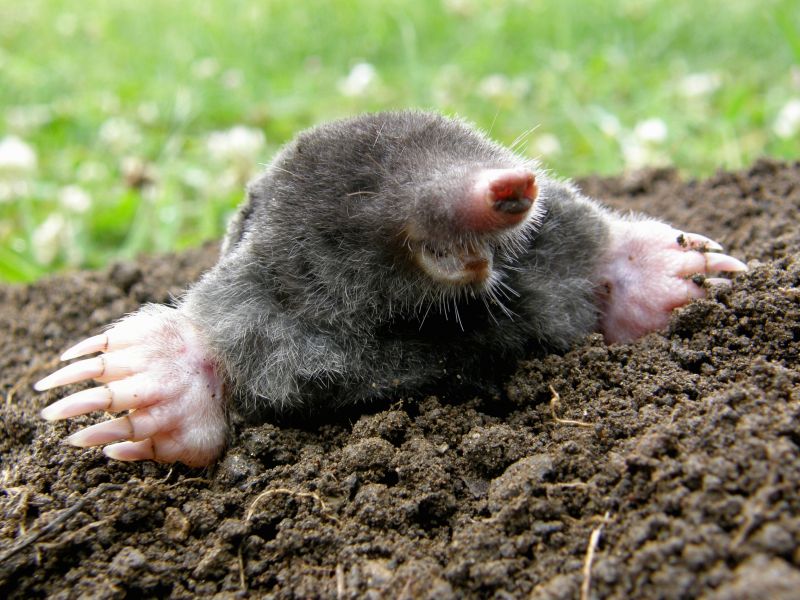
When homeowners search for information about how moles destroy lawns, roots, and irrigation systems, they are typically trying to understand the damage caused by these underground pests. Moles are known for burrowing through soil, creating extensive tunnel systems beneath the surface. This activity can lead to uneven lawns, unsightly mounds, and compromised ground stability. Many people are concerned about how these tunnels affect the health of their grass and plants, as well as how they might threaten the integrity of underground irrigation lines and tree roots. Recognizing the signs of mole activity helps homeowners determine whether their property is suffering from this hidden problem.
The problems related to how moles destroy lawns, roots, and irrigation systems often connect to broader property management and landscaping plans. For instance, homeowners may notice patches of dead or thinning grass, or they might find mounded soil disrupting the smooth surface of their yard. These issues can interfere with regular lawn care and aesthetic goals. Additionally, the extensive tunnel networks can damage underground irrigation lines, leading to leaks or water disruptions that complicate watering schedules. In cases where mature trees or shrubs are involved, mole activity can disturb roots, potentially weakening plants or making them more vulnerable to other stressors. Addressing these concerns often involves a combination of mole control and repair work to restore the property’s appearance and functionality.
Properties most commonly affected by how moles destroy lawns, roots, and irrigation systems include residential yards, especially those with lush, well-maintained lawns, as well as landscaped gardens and golf courses. Lawns with soft, moist soil are particularly attractive to moles, which seek out their preferred diet of grubs and insects found beneath the surface. Areas with significant underground irrigation infrastructure or mature trees with extensive root systems are also at higher risk of damage. In many cases, properties with a history of pest issues or those located in regions with high mole populations notice more frequent signs of underground activity. Recognizing these property types helps homeowners understand the importance of professional mole removal services to protect their investment.
Local service providers specializing in yard mole removal are equipped to handle the challenges posed by these underground pests. They understand how moles can undermine lawn health, damage roots, and compromise irrigation systems, and they use targeted methods to eliminate the problem. These professionals assess the extent of the mole activity, identify affected areas, and implement effective removal strategies that minimize further damage. Working with experienced local contractors ensures that property owners can restore the integrity of their lawns and underground systems efficiently. Connecting with these service providers offers a practical step toward managing mole-related issues and maintaining a healthy, attractive outdoor space.
Lawn aeration services involve soil management and core removal techniques that are similar to mole control efforts, helping to reduce underground tunnel disruption caused by moles.
Soil grading and leveling projects require understanding of underground activity and soil disturbance, which aligns with the skills used in managing mole damage to lawns and irrigation systems.
Garden and landscape installation often involves careful planning of underground utilities and root systems, similar to the considerations needed when addressing mole-related damage.
Irrigation system repair and installation requires knowledge of underground piping and soil conditions, making it relevant to service providers dealing with mole-induced damage to irrigation infrastructure.
Root barrier installation is a project that involves underground planning and soil management, paralleling efforts to protect lawns and irrigation systems from mole activity.
Drainage system installation involves underground excavation and soil assessment, skills that are useful when addressing the soil and root disruption caused by moles.
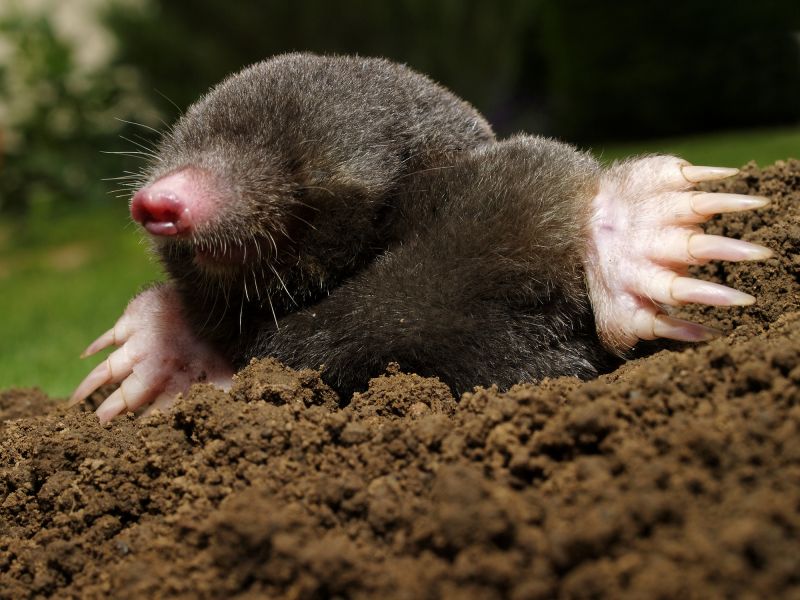
When evaluating service providers for yard mole removal, it is important to consider their experience with similar projects, such as addressing how moles destroy lawns, roots, and irrigation systems. Contractors who have handled a variety of mole-related issues are more likely to understand the most effective techniques for eliminating moles and preventing future damage. Asking about their background with these specific problems can help ensure they have the practical knowledge needed to tackle the unique challenges posed by mole activity and protect the integrity of your yard.
Clear, written expectations are a key factor when comparing local contractors for mole removal services. A reputable provider should be able to outline their approach, the methods they plan to use, and what results you can expect. This transparency helps homeowners understand what will be done and sets realistic standards for the project. Well-defined expectations also make it easier to evaluate whether a contractor’s approach aligns with your yard’s needs and to avoid misunderstandings during the process.
Good communication and reputable references are essential qualities to look for in local service providers. Contractors who are responsive and willing to answer questions about their experience, methods, and previous work demonstrate professionalism and reliability. Additionally, seeking references or reviews from past clients can provide insights into the contractor’s ability to deliver consistent results and handle the specific concerns related to how moles destroy lawns, roots, and irrigation systems. These factors contribute to a smoother, more informed experience when selecting a yard mole removal specialist.
Property owners often search for how moles destroy lawns, roots, and irrigation systems when they are planning practical projects around their homes and businesses. Local pros provide Yard Mole Removal services for everyday jobs and straightforward project options.
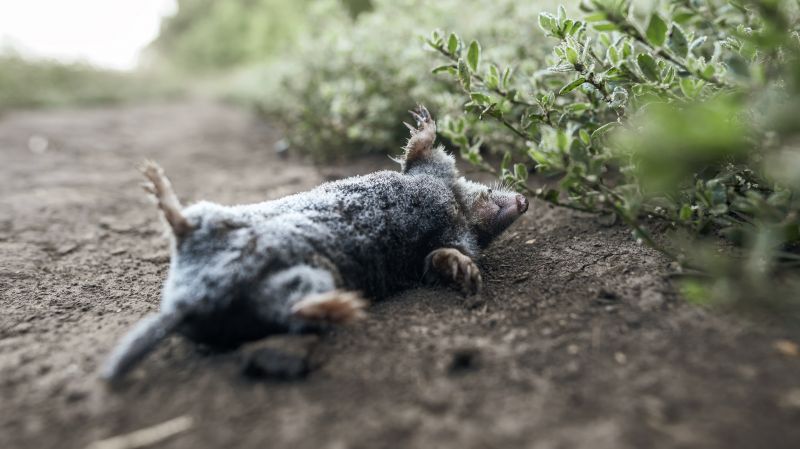
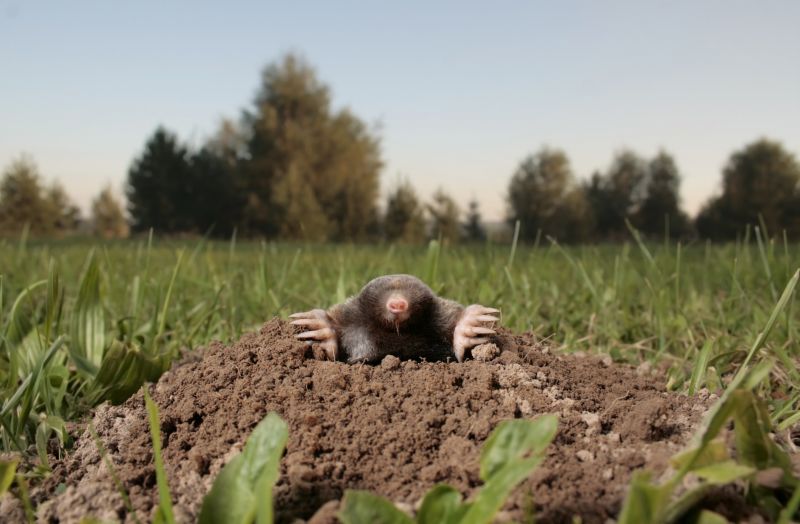
Moles can cause significant damage to lawns, roots, and irrigation systems, making them a common concern for property owners in the area. Their tunneling activity often results in uneven ground, unsightly mounds, and compromised root systems of grass and plants. This disruption can lead to patchy lawns and weakened landscaping, prompting property owners to seek professional yard mole removal services to restore their outdoor spaces.
In many cases, moles undermine irrigation systems by creating tunnels that interfere with sprinkler lines and other underground infrastructure. This can lead to leaks, reduced water coverage, and increased maintenance costs. Local contractors specializing in mole removal can assess the extent of the damage and implement effective strategies to eliminate moles, helping to protect lawns, roots, and irrigation systems from ongoing harm.
How do moles damage lawns and irrigation systems? Moles create tunnels that disturb the soil structure, leading to uneven lawns and potential damage to underground irrigation components. Their burrowing can weaken roots and cause water systems to malfunction.
Can moles destroy plant roots in addition to lawns? Yes, moles often target the root zones of plants and grasses while digging, which can lead to weakened or dying plants and compromised lawn health.
What signs indicate moles are damaging irrigation systems? Signs include mounded soil near sprinkler heads, uneven watering patterns, and sudden system malfunctions caused by burrowing activity disrupting underground pipes.
How do local contractors remove moles and prevent further damage? They typically use trapping, baiting, or exclusion methods to remove moles and may recommend repairs or modifications to irrigation systems to prevent future issues.
What steps can be taken to protect lawns and irrigation systems from moles? Professional service providers can install barriers, perform mole control treatments, and repair damage to ensure the integrity of lawns, roots, and underground irrigation components.
Identify mole activity early - monitoring for surface tunnels and mounds can help property owners spot issues before extensive damage occurs, allowing for timely intervention by local contractors.
Assess damage to lawns and irrigation systems - inspecting for uneven ground, burrows, or broken sprinkler lines enables property owners to determine the extent of mole-related destruction needing professional repair.
Implement mole prevention strategies - applying deterrents or modifying landscaping features can reduce mole attraction, with guidance from local pros to protect lawns and underground systems.
Schedule professional removal services - engaging local contractors for mole trapping or exclusion methods helps prevent further damage to roots, irrigation, and turf areas.
If you are thinking about how moles destroy lawns, roots, and irrigation systems for a property, this guide is meant to help you understand this topic, the typical project types, and how different options might fit your plans.
When you are ready, you can use the quote form on this page to share a few details about your project. From there, local pros can review the basics and follow up with options that match what you have in mind.